
What Is Friable Asbestos and Why It Poses a Serious Health Risk

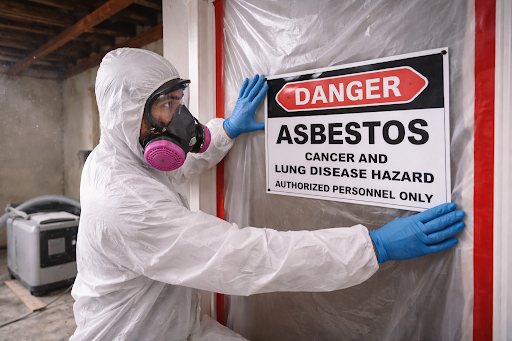
When discussing asbestos safety, one term stands out as the most dangerous: friable asbestos. Unlike bonded or non-friable asbestos, which remains solid unless cut or damaged, friable asbestos can crumble easily releasing microscopic fibres into the air. These airborne fibres are extremely hazardous when inhaled, making friable asbestos one of the most significant environmental and workplace health concerns in Australia.
What Is Friable Asbestos?
Friable asbestos refers to any asbestos-containing material that:
Can be crushed or crumbled by hand pressure
Releases fibres into the air easily
Deteriorates quickly due to age, damage or weather exposure
It is often found as soft, powdery or fluffy insulation material.
Because it becomes airborne so easily, friable asbestos must only be handled by Class A licensed asbestos removalists under strict safety regulations.
Common Locations Where Friable Asbestos Is Found
Friable asbestos was widely used in older buildings (pre-1990) for insulation and fire-proofing. It may be found in:
Loose-fill insulation (e.g., old ceiling insulation)
Sprayed-on fireproofing and soundproofing
Vinyl flooring backings
Thermal insulation around pipes, boilers and heaters
Ceiling and wall insulation
Industrial ovens and furnace linings
Old electrical switchboard linings
If your property is older, these areas should be inspected by an asbestos professional.
Why Friable Asbestos Is So Dangerous
Friable asbestos releases microscopic fibres into the air that can be inhaled deeply into the lungs. Over time, these fibres cause serious illnesses such as:
Mesothelioma
Asbestosis
Lung cancer
Respiratory complications
Pleural thickening
There is no safe level of asbestos exposure, making proper management incredibly important.
How to Identify Friable Asbestos
While only laboratory testing can confirm asbestos, certain signs indicate material may be friable:
Soft, dusty insulation around pipes or heaters
Powdery or fluffy material in roof cavities
Crumbling wall or ceiling insulation
Aged or water-damaged building materials
Material that breaks apart easily when touched
If you suspect friable asbestos, do not disturb it. Movement or handling increases fibre release.
Regulations for Handling Friable Asbestos
In Australia, strict laws apply:
Only Class A licensed asbestos removalists can handle friable asbestos
Air monitoring must be conducted
Full containment, negative pressure systems and PPE are required
Waste must be sealed, labelled and disposed of at licensed facilities
Clearance certificates must be issued after removal
DIY removal is illegal and extremely dangerous.
Signs You May Have Friable Asbestos on Your Property
You should seek professional assessment if you notice:
Crumbling insulation in roof spaces
Powdery material around hot water systems or pipes
Building materials deteriorating due to age or water damage
Dust-like material in older homes built before 1990
Fluffy insulation that looks suspicious
A licensed asbestos assessor can confirm its presence safely.
What to Do If You Suspect Friable Asbestos
Do not touch or disturb the material
Restrict access to the area
Avoid sweeping, vacuuming or cleaning
Contact a licensed asbestos assessor or removalist
Arrange testing and a safe removal plan
Follow all regulatory guidelines for disposal
Acting quickly helps protect your family, workers and property.
Final Thoughts
Friable asbestos is one of the most dangerous building materials still found in older Australian homes and commercial buildings. Recognising the risks and responding correctly is essential for health and safety. If you suspect friable asbestos, always seek help from a licensed professional and never attempt removal yourself.


Comments